How long do breast implants last?
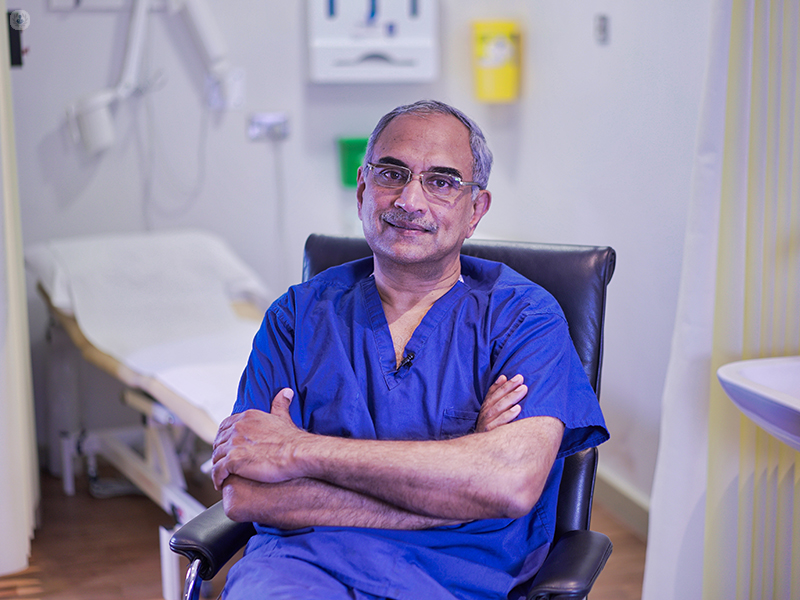
Breast implants are a popular cosmetic treatment, but do they last forever? Leading plastic surgeon Mr Venkat Ramakrishnan is here to explain and gives his recommendations for which implants to choose.
Read more
Breast augmentation or mammoplasty is a surgical procedure aimed at increasing the size and volume of the breasts. Normally, surgery is recommended with implants in both breasts to make them more symmetrical. A breast enlargement operation is performed by making a small incision around the areola or in the fold under the breast or armpit. Through the incisions on each breast, breast tissue is lifted and breast implants are inserted under the chest muscle. The implants can be silicone or saline implants and they come in various shapes, generally round, oval or anatomical. Currently, there are prostheses with a rough textured surface to provide a more natural look. The incision scar for breast surgery is practically invisible.
Breast reconstruction is performed after a mastectomy or a lumpectomy; in some cases, the reconstruction is delayed a few months or years after the breast cancer surgery.
The surgery is performed under general anaesthesia and takes about 8 hours.
Breast reconstruction is primarily done for aesthetic reasons, and leads to marked improvement in the patient’s self-image. The decision to have breast reconstruction surgery is as valid as the decision to not have it — in all cases, the decision is a personal one.
There are two ways of performing breast reconstruction: with an implant or with the patient’s own tissue (autologous or “flap” reconstruction).
It is important that you follow the surgeon’s instructions, e.g. to stop taking medications such as ibuprofen or aspirin. You will have to stop smoking; you will have to dress as comfortably as possible; and you will have to arrange in advance how to return home after surgery and how to manage during the first few days of recovery.
You will feel tired for a few days after the intervention, and so you should arrange for someone to help you during this time. After the first week, you will be able to take care of yourself.
Breast reduction is a surgical procedure to reduce the size of the breasts. The operation is performed under general anaesthesia by a specialist in plastic, aesthetic and reconstructive surgery.
Breast reduction may be done for aesthetic reasons, in women who feel that the size of their breasts is not proportional or in harmony with the rest of their body. However, in many women, the procedure also alleviates neck and back pain caused by the excess weight.
The plastic surgeon will recommend the most suitable breast reduction technique for you. However the operation usually involves making incisions around the areola to remove excess fat, skin and breast tissue and to shape the whole breast to achieve the desired position and size. This results in smaller, firmer breasts that are less prone to sagging. For an optimal outcome, a mastopexy (breast lift) is always performed as part of breast reduction surgery.
Before surgery, a medical examination is necessary to determine whether you can undergo surgery under general anaesthesia. If you are a smoker, you will have to stop smoking from at least 4 weeks before surgery. You may also have to stop taking certain medications.
After the operation, you may have to stay in hospital overnight, possibly longer. Recovery at home can take 1 to 2 weeks, after which you can gradually resume your usual routine. Breast pain during recovery is normal, so painkillers are usually administered. Oedema and mild bleeding may also occur. During recovery, you will have to avoid lifting, driving, exercise and sunbathing. Furthermore, you will have to sleep with your head and back elevated.
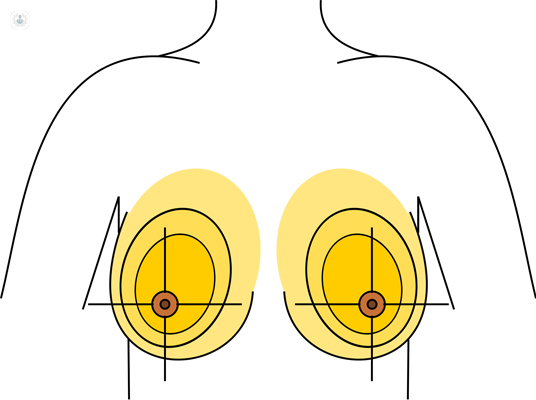
Women with breast asymmetry have breasts that are different in shape, position or size. In fact, the great majority of women have mild breast asymmetry. However, when the asymmetry is significant, it may adversely affect the woman’s body image, her self-esteem and confidence.
Breast asymmetry can be classified into three types:
Anisomastia: a significant difference in the volume and size of the breasts.
Anisothelia: a difference between the nipples and areolas.
Combined asymmetry: anisomastia and anisothelia.
The symptoms of breast asymmetry are essentially aesthetic, manifesting as a difference in, for example, shape, size, developmental stage or fat percentage. In the most serious cases, there may even be a difference in osteomuscular structure or the breasts are completely different.
Significant breast asymmetry has several possible causes: it may be linked to a breast disease, a developmental problem, a hormonal problem, an unknown syndrome, an injury or periods of significant bodily change such as pregnancy or breastfeeding.
One of the diseases linked to breast asymmetry is breast cancer. Hence, all women with breast asymmetry are advised to perform breast self-examination to detect any warning signs in a timely manner.
Breast asymmetry appears while the breasts are developing during puberty. It cannot be prevented, except if it occurs as a secondary effect of a growth disorder that is diagnosed early. There are no measures you can take to prevent breast asymmetry.
The only solution to breast asymmetry is plastic, aesthetic and reconstructive surgery. The surgical techniques used depend on the surgeon and on the patient’s characteristics. However in many cases, breast augmentation, breast reduction or a combination of both will be done.
Blepharoplasty, or dark circles surgery, is a plastic surgery operation aimed at correcting eyelid defects and deformities, or to aesthetically modify the region around the eyes. It often involves the removal of excess skin, muscle, and fat that accumulates around the eyes with age, causing sagging and the appearance of bags under the eyes.
As we get older, our skin loses its elasticity and the eyelids are no exception. As they stretch, creating excess skin, and the muscles that support them weaken, excess fat can start to collect above and below the eyelids, causing drooping eyebrows and upper eyelids and bags under the eyes.
If this excess fat and skin prevents your eyes from opening fully, it can interfere with your peripheral vision, meaning that blepharoplasty may be done to improve vision. However, most cases (particularly operations on the lower eyelids) are performed purely for cosmetic reasons, as the removal of bags and dark circles has the effect of rejuvenating the face.
There are two ways to perform this surgery:
External route: A small cut is made under the eyelashes allowing the surgeon to remove excess skin, muscle, and fat. It is then sealed by a very fine suture that facilitates skin tightening.
Internal route: A small incision is made in the inner part of the lower eyelid, through which fat is extracted. Some surgeons do not even use a suture to close the incision, since this tissue heals easily by itself. The eyes are protected by an orbital metallic strip, which is inserted after the patient is under anaesthesia (local or general, depending on whether the blepharoplasty is part of a longer procedure).
The duration of the surgery is usually between 30 minutes and one hour, depending on the number of eyelids that will be operated on.
Before the blepharoplasty procedure, you will meet with an ophthalmologist and/or plastic surgeon, who will take your medical history and discuss your expectations with you. You will also have to undergo a physical examination, an eye test, and photos will be taken of your eye(s). Smokers will have to stop smoking several weeks before the operation.
Once the surgery is completed, an ointment will be applied to the eyes to lubricate them and in some cases, a soft bandage.
Patients may experience blurred or double vision, excessive production of tears, hypersensitivity to light, discomfort or pain, and some swelling and bruising for a short while after a blepharoplasty.
Your doctor may suggest that you take steps such as sleeping with your head elevated higher than your chest for a few days and using cold compresses on your eyes in order to reduce inflammation and bruising.
You will be informed if you are required to apply eye drops to keep your eyes hydrated. Oedema and bruising will gradually diminish until it disappears completely and you will begin to look and feel much better.
Abdominoplasty, which is also known as a tummy tuck, is a cosmetic surgical procedure that flattens the abdomen by surgically removing excess skin and fat from the middle and lower abdomen. This allows the abdominal wall muscles to be tightened. This is a major procedure that requires general anaesthesia. It is not an alternative to weight-loss.
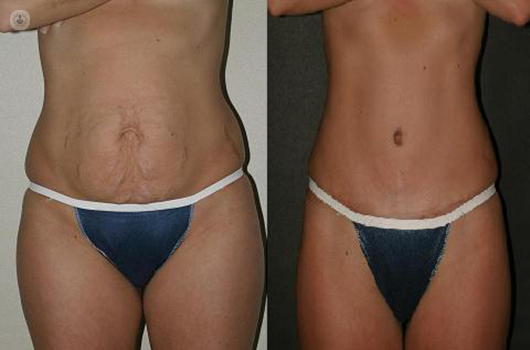
An abdominoplasty is suitable for men and women of a stable weight and in good health. Women might consider having an abdominoplasty to remove excess skin resulting from pregnancy. Additionally, men and women who have lost a lot of weight are often left with lots of saggy, excess skin which can be removed from the abdomen with a tummy tuck.
To begin with, a large incision is made across the lower abdomen. Through this incision, the skin from the abdominal wall underneath the belly button is separated and the excess skin of the abdomen is cut away and the excess fat removed. The incision is then closed with stitches. An abdominoplasty can be either partial (mini tummy tuck) or complete, depending on how much excess skin and fat there is, and where it is mostly located. During a complete tummy tuck, it is likely that the belly button will need to be moved. Drainage tubes are placed in the incision to drain excess fluids following surgery.
It is important to stop smoking for a period before surgery, usually at least two weeks. Days before the operation it may be necessary to stop taking certain medications. There will also be a period of fasting before surgery.
The patient must keep in mind that the scar resulting from the operation is permanent, although its size will depend on the type of incision made according to the surgical requirements of each case. The days following the procedure, the patient will have a little pain and discomfort, so the doctor will prescribe painkillers. You will need up to six weeks off work and exercise whilst you heal. You won’t be able to drive either for a number of weeks. It may be necessary to wear a special elastic control support for a few weeks to encourage healing and to reduce swelling. After six weeks, you can stop wearing the elastic support and return to most normal activities.
Mr Venkat Ramakrishnan is a highly experienced plastic surgeon with an international reputation for his work in microsurgical breast reconstruction. Practising at private clinics in Brentwood and Southend-on-Sea, Mr Ramakrishnan's specialist areas of interest include reconstructive and cosmetic breast surgery, liposculpting and bodylifts, and cosmetic facial surgery.
Mr Ramakrishnan qualified in medicine from Madras College in 1983 and undertook extensive specialist training in Australia. In 2002 he was appointed to the post of Consultant Plastic surgeon at St. Andrews Centre for Plastic Surgery, Chelmsford, where he currently heads the Breast Reconstruction Service and carries out over 1,000 operations per year. Mr Ramakrishnan is known for his ability to put patients at ease and explain the reconstruction process clearly. This year he was recognised as one of the UK's leading breast reconstruction surgeons in the Daily Mail's Good Doctors guide.
In addition to his clinical practice, Mr Ramakrishnan is also visiting professor of plastic surgery at Anglia Ruskin University and course leader of a microsurgery fellowship which attacts fellows from Europe, Australia, New Zealand and India. His research currently focuses on outcomes after reconstructive breast surgery, and he regularly presents his work at national and international conferences.
Abdominoplasty, which is also known as a tummy tuck, is a cosmetic surgical procedure that flattens the abdomen by surgically removing excess skin and fat from the middle and lower abdomen. This allows the abdominal wall muscles to be tightened. This is a major procedure that requires general anaesthesia. It is not an alternative to weight-loss.
An abdominoplasty is suitable for men and women of a stable weight and in good health. Women might consider having an abdominoplasty to remove excess skin resulting from pregnancy. Additionally, men and women who have lost a lot of weight are often left with lots of saggy, excess skin which can be removed from the abdomen with a tummy tuck.
To begin with, a large incision is made across the lower abdomen. Through this incision, the skin from the abdominal wall underneath the belly button is separated and the excess skin of the abdomen is cut away and the excess fat removed. The incision is then closed with stitches. An abdominoplasty can be either partial (mini tummy tuck) or complete, depending on how much excess skin and fat there is, and where it is mostly located. During a complete tummy tuck, it is likely that the belly button will need to be moved. Drainage tubes are placed in the incision to drain excess fluids following surgery.
It is important to stop smoking for a period before surgery, usually at least two weeks. Days before the operation it may be necessary to stop taking certain medications. There will also be a period of fasting before surgery.
The patient must keep in mind that the scar resulting from the operation is permanent, although its size will depend on the type of incision made according to the surgical requirements of each case. The days following the procedure, the patient will have a little pain and discomfort, so the doctor will prescribe painkillers. You will need up to six weeks off work and exercise whilst you heal. You won’t be able to drive either for a number of weeks. It may be necessary to wear a special elastic control support for a few weeks to encourage healing and to reduce swelling. After six weeks, you can stop wearing the elastic support and return to most normal activities.
Basal cell carcinoma is the most common form of skin cancer, it is non-melanoma. It can present as a shiny nodule or a patch similar to eczema. Most cases appear on areas that have been repeatedly exposed to the sun.
Blepharoplasty, or dark circles surgery, is a plastic surgery operation aimed at correcting eyelid defects and deformities, or to aesthetically modify the region around the eyes. It often involves the removal of excess skin, muscle, and fat that accumulates around the eyes with age, causing sagging and the appearance of bags under the eyes.
As we get older, our skin loses its elasticity and the eyelids are no exception. As they stretch, creating excess skin, and the muscles that support them weaken, excess fat can start to collect above and below the eyelids, causing drooping eyebrows and upper eyelids and bags under the eyes.
If this excess fat and skin prevents your eyes from opening fully, it can interfere with your peripheral vision, meaning that blepharoplasty may be done to improve vision. However, most cases (particularly operations on the lower eyelids) are performed purely for cosmetic reasons, as the removal of bags and dark circles has the effect of rejuvenating the face.
There are two ways to perform this surgery:
External route: A small cut is made under the eyelashes allowing the surgeon to remove excess skin, muscle, and fat. It is then sealed by a very fine suture that facilitates skin tightening.
Internal route: A small incision is made in the inner part of the lower eyelid, through which fat is extracted. Some surgeons do not even use a suture to close the incision, since this tissue heals easily by itself. The eyes are protected by an orbital metallic strip, which is inserted after the patient is under anaesthesia (local or general, depending on whether the blepharoplasty is part of a longer procedure).
The duration of the surgery is usually between 30 minutes and one hour, depending on the number of eyelids that will be operated on.
Before the blepharoplasty procedure, you will meet with an ophthalmologist and/or plastic surgeon, who will take your medical history and discuss your expectations with you. You will also have to undergo a physical examination, an eye test, and photos will be taken of your eye(s). Smokers will have to stop smoking several weeks before the operation.
Once the surgery is completed, an ointment will be applied to the eyes to lubricate them and in some cases, a soft bandage.
Patients may experience blurred or double vision, excessive production of tears, hypersensitivity to light, discomfort or pain, and some swelling and bruising for a short while after a blepharoplasty.
Your doctor may suggest that you take steps such as sleeping with your head elevated higher than your chest for a few days and using cold compresses on your eyes in order to reduce inflammation and bruising.
You will be informed if you are required to apply eye drops to keep your eyes hydrated. Oedema and bruising will gradually diminish until it disappears completely and you will begin to look and feel much better.
The purpose of body remodelling is to shape the silhouette, either by reducing cellulite or by attenuating flaccidity in a particular area. It is a treatment that can be done with or without surgery. It is performed under local anaesthesia and the patient can return to normal life the day after the procedure. The most common areas to be treated are the abdomen, waist, knees, inner thighs and the “love handles”.
Arm lift, also called brachioplasty, is the surgical procedure intended to eliminate unsightly excess skin in the arms, making them smoother and firmer while improving their appearance. In mild cases, the arm lift can be performed with less-invasive techniques and with local anaesthesia; in more advanced cases, surgery under general anaesthesia may be required.
With ageing, particularly from the age of 40, the skin starts becoming flabby, especially in women. Arms are a part of the body in which flabbiness is highly visible and many women develop a complex about it. Several degrees of flabbiness in arm contours can be distinguished, and the specialist in Plastic, Aesthetic and Reconstructive Surgery uses different techniques for each degree.
Brachioplasty involves making an incision in the inside of the upper arm, in order to eliminate excess skin. In the cases that are more serious, it may even be necessary to make an incision from the armpit to the elbow, always on the inside of the arm. Via this incision, all excess skin is removed. In cases in which the patient wants to remove excess fat from his arms, this intervention may be combined with liposuction. Brachioplasty usually takes around 2 hours.
During the pre-surgery consultation, you will undergo an evaluation, the results of which will be taken into account in the specific instructions given to you about how to prepare for surgery: whether you have to stop smoking, take iron supplements etc.
In the first few days after the brachioplasty, it is normal for your arms to feel more tender and be swollen; they revert to normal over time. You can resume your normal routine in around 15 days, and the final result will be visible after a few months. The result of the brachioplasty is permanent and leaves no visible scars.
Women with breast asymmetry have breasts that are different in shape, position or size. In fact, the great majority of women have mild breast asymmetry. However, when the asymmetry is significant, it may adversely affect the woman’s body image, her self-esteem and confidence.
Breast asymmetry can be classified into three types:
Anisomastia: a significant difference in the volume and size of the breasts.
Anisothelia: a difference between the nipples and areolas.
Combined asymmetry: anisomastia and anisothelia.
The symptoms of breast asymmetry are essentially aesthetic, manifesting as a difference in, for example, shape, size, developmental stage or fat percentage. In the most serious cases, there may even be a difference in osteomuscular structure or the breasts are completely different.
Significant breast asymmetry has several possible causes: it may be linked to a breast disease, a developmental problem, a hormonal problem, an unknown syndrome, an injury or periods of significant bodily change such as pregnancy or breastfeeding.
One of the diseases linked to breast asymmetry is breast cancer. Hence, all women with breast asymmetry are advised to perform breast self-examination to detect any warning signs in a timely manner.
Breast asymmetry appears while the breasts are developing during puberty. It cannot be prevented, except if it occurs as a secondary effect of a growth disorder that is diagnosed early. There are no measures you can take to prevent breast asymmetry.
The only solution to breast asymmetry is plastic, aesthetic and reconstructive surgery. The surgical techniques used depend on the surgeon and on the patient’s characteristics. However in many cases, breast augmentation, breast reduction or a combination of both will be done.
Breast augmentation or mammoplasty is a surgical procedure aimed at increasing the size and volume of the breasts. Normally, surgery is recommended with implants in both breasts to make them more symmetrical. A breast enlargement operation is performed by making a small incision around the areola or in the fold under the breast or armpit. Through the incisions on each breast, breast tissue is lifted and breast implants are inserted under the chest muscle. The implants can be silicone or saline implants and they come in various shapes, generally round, oval or anatomical. Currently, there are prostheses with a rough textured surface to provide a more natural look. The incision scar for breast surgery is practically invisible.
Breast fat transfer, also known as fat grafting or an autologous fat transfer, is a fairly new breast reconstruction technique. In simple terms, a breast transfer involves removing fat from one part of the body, often the thighs, buttocks or abdomen, and injecting this fat into the breast area to reconstruct and recreate the breasts following breast cancer surgery. Whilst this is mostly an oncoplastic technique, it can be used as a means of ‘natural’ breast enhancement, without the need for implants.
A breast fat transfer provides a means of both creating a more natural feeling and look breast enhancement. It is also a technique that can be used when reconstructing breasts that have undergone breast cancer surgery (e.g. a lumpectomy). If the breasts just need to have small differences fixed, a similar technique called lipofilling can be used. An advantage of this technique is that it can be safer than other means of breast augmentation or reconstruction because it is not major surgery, such as breast flap surgery, and it does not involve the risks of having a foreign object inserted (implants).
Fat is removed from another part of the body (buttocks, thighs or abdomen) using a thin tube which sucks out small amounts of fat. This process is similar to liposuction. Next, the fat must be prepared for insertion into the breast area. Specialist equipment spins the fat, separating the fat from the blood. Once the fat is prepared, it can be inserted into the breast area. Using a needle and syringe, fat is carefully transferred to the breasts. Stitches are usually not needed as the injections are inserted through very small holes.
A breast fat transfer can take up to two hours and sometimes it is done as a day case procedure, however, sometimes it may be necessary to stay in hospital overnight. It can be performed under either local or general anaesthetic, and whichever is used, there should not be any pain throughout the procedure. Sometimes, more than one session is required to achieve the desired results.
Depending on the anaesthesia used, you may be required to fast before your procedure. Your health and suitability for breast fat transfer will also be determined before being scheduled for this procedure.
After surgery, you should arrange for someone to take you home as you will not be able to drive initially. You can expect the breast area to be swollen and bruised for the first two weeks. Results are best observed a few months following breast fat transfer. Over time, it is normal for some of the transferred fat to be reabsorbed by the body, so some breast volume may be lost eventually. During your recovery period, it is advised that you do not sleep on your front and that you avoid strenuous activity.
Mastopexy, or breast lift, is a form of plastic surgery that raises sagging breasts in order to correct ptosis. Throughout a woman’s life, her breasts will naturally sag as she ages, as breasts lack muscle tissue, meaning they cannot be strengthened. While it is not necessary to correct natural sagging, some women choose to in order to restore volume and fullness to the breasts.
Mastopexy is performed to correct sagging breasts, which can occur as a result of gravitational pull, ageing (as fat and tissue decrease in the breasts), pregnancy, or weight loss. Smoking and sunburn can also affect the elasticity of the breasts. Sagging can occur in both large and small breasts. While sagging breasts do not affect physical health, they may affect self-esteem, and as a result women may wish to have the ptosis corrected.
During the procedure, your surgeon makes several cuts on the breasts, depending on the technique that they are using. Skin can be removed from around the areola, and from under the breasts, or only one area. The breast is then reshaped, making it ‘tighter’, and the nipples are repositioned, with the areola being reshaped on some occasions to fit the new breast size.
Sometimes breast implants can be inserted during the same procedure, in order to perform a breast uplift and enlargement.
At consultations before your surgery, your surgeon will assess your breasts and take photographs for records. They will assess the size and position of your nipples and mark where the cuts will be made. They will discuss what you want to achieve from the procedure in-depth.
Before undergoing a mastopexy, your surgeon will explain what you must do in preparation. If you smoke, you will be asked to stop at least six weeks before the operation, as smoking increases the risk of infection and slows recovery.
You will be advised not to eat or drink anything for about six hours before the operation. The procedure is performed under general anaesthesia.
After surgery, you’ll need to:
Your surgeon will also give you advice on aftercare and how to clean the wound. Speak to your specialist if you have any questions or worries after the procedure.
Breast reconstruction is performed after a mastectomy or a lumpectomy; in some cases, the reconstruction is delayed a few months or years after the breast cancer surgery.
The surgery is performed under general anaesthesia and takes about 8 hours.
Breast reconstruction is primarily done for aesthetic reasons, and leads to marked improvement in the patient’s self-image. The decision to have breast reconstruction surgery is as valid as the decision to not have it — in all cases, the decision is a personal one.
There are two ways of performing breast reconstruction: with an implant or with the patient’s own tissue (autologous or “flap” reconstruction).
It is important that you follow the surgeon’s instructions, e.g. to stop taking medications such as ibuprofen or aspirin. You will have to stop smoking; you will have to dress as comfortably as possible; and you will have to arrange in advance how to return home after surgery and how to manage during the first few days of recovery.
You will feel tired for a few days after the intervention, and so you should arrange for someone to help you during this time. After the first week, you will be able to take care of yourself.
Breast reduction is a surgical procedure to reduce the size of the breasts. The operation is performed under general anaesthesia by a specialist in plastic, aesthetic and reconstructive surgery.
Breast reduction may be done for aesthetic reasons, in women who feel that the size of their breasts is not proportional or in harmony with the rest of their body. However, in many women, the procedure also alleviates neck and back pain caused by the excess weight.
The plastic surgeon will recommend the most suitable breast reduction technique for you. However the operation usually involves making incisions around the areola to remove excess fat, skin and breast tissue and to shape the whole breast to achieve the desired position and size. This results in smaller, firmer breasts that are less prone to sagging. For an optimal outcome, a mastopexy (breast lift) is always performed as part of breast reduction surgery.
Before surgery, a medical examination is necessary to determine whether you can undergo surgery under general anaesthesia. If you are a smoker, you will have to stop smoking from at least 4 weeks before surgery. You may also have to stop taking certain medications.
After the operation, you may have to stay in hospital overnight, possibly longer. Recovery at home can take 1 to 2 weeks, after which you can gradually resume your usual routine. Breast pain during recovery is normal, so painkillers are usually administered. Oedema and mild bleeding may also occur. During recovery, you will have to avoid lifting, driving, exercise and sunbathing. Furthermore, you will have to sleep with your head and back elevated.
There are many types of breast surgery, including reconstructive surgery, augmentation (breast implants), and reduction. Undergoing surgery is a major decision which should be reflected upon and discussed in detail with a specialist before surgery is decided upon. People may seek cosmetic breast surgery for many reasons, and nowadays there are many options to choose from, meaning the procedure can be truly tailored to the patient.
Women who have a mastectomy performed as part of breast cancer treatment may later decide to have reconstructive surgery to rebuild the breast which was removed. DIEP (deep inferior epigastric perforator) flap reconstruction is a type of reconstructive breast surgery which uses tissue taken from the patient’s abdomen.
DIEP flap reconstruction is done in order to reconstruct the breast which was removed during mastectomy. While there are many reconstructive procedures available nowadays, with different surgical techniques producing different results, the DIEP flap reconstruction procedure can offer a natural-looking and feeling breast, as it uses the patient’s own tissue.
Implants can sometimes produce an uneven result, as of course the implanted breast may look slightly different to the natural breast, and implants can also distort and be uncomfortable years after the initial surgery. DIEP flap reconstruction rarely requires significant retouching, and the result is both natural and ‘softer’ looking, as the reconstruction should age naturally along with the patient, and change depending on your weight.
DIEP reconstruction can also be used to improve the appearance of the breast and relieve symptoms of a tight or distorted implant.
The result of DIEP flap surgery is generally lifelong, although occasionally a second smaller operation is needed after the initial one, to adjust the reconstruction, or to remake the nipple.
The procedure is performed under general anaesthetic, using microsurgery to disconnect some of the tissue and blood vessels from the lower abdominal area. Once the ‘flap’ of tissue has been removed, it can be connected to a new blood supply in the chest. The operation itself is complex and can take between 6 to 8 hours. As it is performed under general anaesthetic, you should expect to be in the hospital for several days.
Your surgeon will assess if you are eligible for DIEP flap surgery, as those who are underweight or significantly overweight may not be considered for the procedure. If you have enough spare tissue around the abdomen, you may be able to have DIEP flap surgery. In your consultations with your surgeon, they will discuss the options available to you, and if you decide to choose DIEP flap surgery, you will have a CT angiogram performed.
A CT angiogram checks the blood vessels in the abdomen and can tell the surgeon if any type of injury to the abdominal muscle is likely to happen during surgery. Other tests may be ordered to check you are suitable for surgery.
As the procedure is relatively complex, you will have to stay in hospital for a few days after surgery. A scar, similar to that of an abdominoplasty, sits on the abdominal area, but this generally fades well over time. Scarring on the breast depends on the surgery performed. If the procedure is performed at the same time as the initial mastectomy, scarring can be reduced. If performed at a later date, the scar may be a little more visible, but it generally fades well over time too.
After surgery, you will need to avoid strenuous activity for around 6 weeks and some discomfort may be felt in the abdomen for this time. You can expect to be back to normal after about three months.
Various forms of reconstructive surgery can be performed after a mastectomy, including implant surgery, where an implant filled with saline, silicone gel, or a mixture of the two is used to reconstruct the breast. Tissue can also be taken from other areas of the body in similar ‘flap’ procedures, such as from the thigh or back. Your surgeon will explain your options and you can decide on the best course of action after exploring them together.
The face lift, or facial rejuvenation surgery, is an intervention that corrects the most visible signs of facial ageing, by tightening facial muscles, reducing fat, redistributing skin and eliminating excess tissue. This intervention is usually done under general anaesthesia.
There are various types of face lift, according to the areas of the face treated: upper face lift, which elevates sagging brows and eliminates forehead wrinkles; middle face lift, which eliminates fat that has accumulated in the cheekbones and lifts the cheeks; and lower face lift, which reduces fat along the jawline and neck (so-called double chin).
Lax and sagging skin is a clear sign of the passage of time and is particularly visible in the face; in many patients, this can give rise to a complex. Hence, the aim of a complete face lift is to reduce laxity and to restructure the affected areas.
The procedure is generally carried out by making incisions behind the hairline and behind the earlobe, continuing towards the nape of the neck if necessary, so that scars remain camouflaged. Via these incisions, skin is stretched and sectioned, leaving the face looking firmer and more youthful.
Before the face lift, you must follow some important instructions: stop smoking at least 15 days before the operation; for the intervention itself, do not wear contact lenses or make-up and make sure your skin is clean and well hydrated. Furthermore, at the pre-surgery consultation, you will have to tell the surgeon about any medications you are taking and any allergies you have, because more preparation might be necessary.
Patients normally leave the clinic 24 hours after the intervention; however this will depend on your evolution and on the surgeon’s recommendation. In the first few days after the intervention, it is recommended to sleep on two pillows in order to reduce the swelling and to avoid drinking hot drinks or chewing too much, so that the stitches are not affected. The swelling and haematomas will disappear over the first few days.
Facial fat transfer makes use of fat taken from your own body to restore volume to certain areas of the face. Injections may be given in the cheeks, the lips, the furrows of the face, and around the eyes.
Fat is taken from an area of the body using a syringe, and processed through techniques similar to liposuction (filtering out the fat cells which are not wanted). This fat can be then injected into other areas of the body, such as the breasts, but in this case, the face. The fat extraction procedure can be performed either under general or local anaesthetic, depending on the individual case.
Facial fat transfer is a way of rejuvenating the face, which can sag through the natural ageing process. In some cases, people may wish to restore some of the volume lost, and processed fat cells can give a more ‘youthful’ appearance to the face.
Your doctor will mark the areas on the face where the injections will be placed and pictures will be taken, so they have a reference point for where the fat transfer will be injected. Any other preparation will be indicated by your doctor after an initial consultation.
After the procedure you may experience a little discomfort, such as aches and slight pains in the area where the fat was removed from, and the areas it was injected into. Some swelling and bruising may also occur, but this goes down relatively soon after the procedure. You will likely need to wear a compression garment on the areas fat was removed from (the areas liposuction was performed). However, recovery time for facial fat transfer is typically much quicker than fat transfer performed in other areas.
Gynaecomastia, occasionally referred to as ‘man boobs’, is the medical term for enlarged male breasts. It is a common hormonal disorder that only affects males, making their breasts larger than normal due to an excess quantity of male breast tissue. It usually occurs more in teenage boys and older men.
The extent of gynaecomastia symptoms varies from person to person. Some males find they have a small amount of excess breast tissue around their nipples, whilst others may have noticeably larger male breasts. In some cases, gynaecomastia may cause discomfort or tenderness in the breasts.
There are several causes of gynaecomastia. One of the main causes is believed to be hormone imbalance, when more oestrogen is produced than normal and less testosterone. Oestrogen causes male tissue to grow at an abnormal rate. Although all males produce a certain amount of oestrogen, they also produce bigger quantities of testosterone which prevents the growth of breast tissue. In some cases, the reason for this hormonal balance is not known.
Obesity can also cause gynaecomastia, as being overweight may increase oestrogen production making the breasts larger. For this reason, patients who have dieted and done exercise to lose weight may find that they still have enlarged breasts.
Gynaecomastia in newborn babies occurs due to oestrogen passing from the mother through the placenta and to the baby. The breasts usually return to a normal size a few weeks after the baby’s birth. During puberty, some male adolescents may also find that their breasts grow as their hormone levels vary, but this usually stabilises as they grow older. Gynaecomastia in older men is caused by decreased production of testosterone. As older men often have more body fat, their oestrogen production increases thus causing the breasts to enlarge.
Other possible causes of gynaecomastia include drinking too much alcohol, and consuming illegal drugs or prescribed medications, among others.
Although the condition is not always avoidable, there are some measures one can take in order to prevent gynaecomastia. These include following a proper diet, exercising, drinking less alcohol, avoiding certain drugs and medications such as steroids and marijuana (which has been linked to increased levels of oestrogen production).
In some cases, treatment for gynaecomastia may be recommended. Gynaecomastia treatment includes breast reduction surgery to remove the excess male breast tissue, or medication aimed at correcting the hormonal imbalance behind enlarged male breasts.
The purpose of inverted nipple correction surgery is to place inverted nipples, also called flat or umbilicated nipples, in their natural position: protruding, rather than retracted. This is a simple operation of short duration, and it can be performed under local anaesthesia.
In some women, the nipple does not point outwards, as it normally should. This abnormality becomes apparent after puberty and although there is no reason why it should be a health problem, many women find that it affects their self-image and confidence and so want to correct it. Although this abnormality primarily affects women, men may also have inverted or retracted nipples.
The abnormality has varying degrees of seriousness: it may be that the nipple inverts only occasionally; or it may be that the nipple is positioned inside the breast because the muscle filaments that should maintain the nipple in the correct position do not exist or are too short.
During corrective surgery for mild cases, an incision is made around the base of the umbilicated nipple, making it point outwards and separating it from the muscle filaments. In other more serious cases, the lactiferous ducts, through which milk passes during lactation, must be eliminated; the woman must take this into consideration when deciding whether to proceed with the intervention.
Before surgery, the breast must be examined in order to rule out a malignant process. Depending on the patient’s particular health situation, the surgeon may require that additional medical assessments be done before the intervention.
In most cases, the patient can return to their normal routine immediately after the operation. She only needs to avoid physical activity for 10 days after the operation.
Keloid scars are formed during the healing of a wound. In the process, too much scar tissue is formed and causes abnormal growth, which is usually large and red. Keloid scars and hypertrophic scars are different. These are less thick and deformed.
Labiaplasty is a surgery that involves remodelling and resizing the labia minora which are the flaps of skin on each side of the vaginal opening. This can either be performed for cosmetic purposes, but sometimes it is for functional reasons. In most cases, local anaesthesia is used for a labiaplasty procedure. Labiaplasty should not be performed on girls aged less than 18 years of age because the labia minora may still be growing and changing.
Women might choose to have a labiaplasty because they are self-conscious of the size and appearance of their labia minora. Some women’s labia minora can cause physical discomfort, as they are larger than average and can suffer from twisting or tugging, causing pain.
A labiaplasty can be performed with either local or general anaesthesia. During the procedure, the labia minora are shortened and reshaped, with any unwanted tissue cut away with either a scalpel or a laser. Incisions are closed with small, dissolvable stitches. A labiaplasty can take up to two hours and most patients are able to return home on the same day.
Before your surgery, it is important to follow your surgeon’s instructions about fasting and stopping any medications. It is also important to stop smoking in the months leading up to your surgery. On the morning of the surgery, you should carefully shave, as hair can be obstructing.
You can expect to have some soreness, swelling and slight bruising for up to two weeks. Some patients will find they need a few days off work to recover. Full healing can take up to two months, and during this time you will need to keep the area clean, avoid sexual intercourse, use sanitary towels rather than tampons and wear loose underwear and clothing. Over-the-counter painkillers can be taken to manage any pain as sitting and peeing can produce some discomfort.
Lipofilling is a type of facial rejuvenation without surgery, using fat as facial fillings. It is a treatment for the elimination and correction of wrinkles in different areas of the face, such as cheekbones, chin or cheeks. The fat is extracted from the patient by liposuction, from areas where there is excess fat (such as thighs, abdomen or hips), and undergoes a purifying treatment in the laboratory. The purified fat is then infiltrated into the facial area to be corrected for a smooth and younger looking skin. This treatment for wrinkles gives more natural results compared to the ones made with other materials that the organism could reject.
A lipoma is a benign lump that forms under the skin, usually made from fatty tissue. They usually grow slowly and are situated between the skin layer, and the muscle layer beneath.
Lipomas are more common in middle age, are usually painless, and most commonly appear on the upper back, shoulders and abdomen.
The cause of lipomas is unknown. It is believed that they may be genetic, so if your parents or other members of the family had lipomas, then you may also be prone to developing them. They can often appear after an injury, though the reason they form is unknown.
As previously mentioned, lipomas are usually painless, though can cause some pain if they press on nearby nerves. They appear as soft, doughy lumps ranging in size from around the size of a pea to as big as a grapefruit. The lumps may move slightly if pressed.
Although people of any age can develop lipomas, they are more prevalent in adults aged between 40 and 60 years of age.
People with the following conditions are more at risk of developing one or more lipomas:
Lipomas don’t usually cause any problems if left alone, however they can be treated if required.
The most common way of treating lipomas is to have them surgically removed. This can be done by either a dermatologist, or by a plastic surgeon.
Surgery involves making an incision to remove the fatty tissue, before suturing the opening. Though there is a risk that the lipoma may return, it is uncommon.
Another treatment option to reduce the size of the lipoma is liposuction, where a needle is used to remove some of the fat from within the lipoma.
Finally, steroid injections may be used to treat the lipoma. The steroid injection works to shrink the lipoma, though this treatment doesn’t completely remove the lipoma.
In plastic, aesthetic and reconstructive surgery, liposculpture is the operation that is performed to eliminate fat deposits located between skin and muscle. The purpose of the operation is to permanently redesign the contour of the body. It is performed in different areas of the body, most commonly the abdomen, thighs, buttocks, arms and jowls.
Liposculpture is usually performed under general anaesthesia. However, another option is non-surgical or non-invasive liposculpture, which does not require anaesthesia or, in some cases, requires only local anaesthesia.
It should be emphasised that this operation is not a surgical means of tackling obesity, becoming slimmer or losing weight. Rather, it is a way to directly eliminate localised fat.
Liposculpture is designed to eliminate accumulations of stubborn fat that are otherwise difficult to eliminate, even in patients who follow a healthy lifestyle with balanced diet and exercise. Hence, patients who undergo liposculpture are of normal weight or overweight.
Liposculpture involves making a few incisions measuring less than 1 cm. A cannula is introduced through the incisions and suction applied to remove the fat from the area. In some cases, the removed fat is reimplanted in other areas, such as the buttocks. The duration of the surgery will depend on which areas are treated and the volume of fat, but it is usually less than 4 hours.
If the patient is in good health, he/she does not need to undergo medical investigations before the liposculpture. If however the patient has a bleeding tendency, they will have to undergo medical investigations before liposculpture, to include heart rate and blood pressure measurements, and possibly blood tests.
The surgeon may recommend that the patient not take any anticoagulant medication for at least 10 days before the intervention. In addition, the specialist determines the most appropriate compression garment for the patient to wear after liposculpture.
In the post-operative period, the patient will have to rest for about three days, take antibiotic therapy and wear a compression bandage or compression garment. The garment must be worn for 2 to 4 weeks; however at day 4 or 5 the patient can resume his normal activities and at day 10 he can resume exercise in a gradual manner.
Liposuction often called ‘lipo’, is a fairly common cosmetic procedure aimed at removing unwanted body fat from certain parts of the body. There are various different types of liposuction, such as tumescent liposuction, ultrasound-assisted liposuction, and laser-assisted liposuction. Surgical liposuction is also referred to as liposculpture and may be carried out to remove excess body fat in combination with an abdominoplasty, or ‘tummy tuck’.
People may choose to undergo liposuction for a number of reasons all revolving around a general dissatisfaction about the shape of their body. Often, even after exercise and dieting, excess fat can remain in some places. Due to its immediate results, liposuction can greatly boost a person’s confidence. Liposuction may also be used on people who are not necessarily overweight but rather unhappy with their physical appearance. Other reasons to undergo liposuction include reducing fat production, improving one’s health, and stimulating collagen growth.
Liposuction involves sucking excess fat out through a tube. After marking the parts of the body to be treated, the surgeon then injects the area with medication and anaesthetic-containing solution that reduces blood loss as well as bruising and swelling. Fat cells are then broken up in order to make them easier to extract before a small incision is made and a suction tube is inserted. The tube is moved around the area in order to suck out the fat. After, excess fluid and blood is drained before the patient is stitched up and bandaged. The operation usually lasts around one to three hours, and is carried out using a general anaesthetic or epidural anaesthetic in lower areas of the body. The patient usually has to remain in hospital overnight.
In order to prepare for liposuction surgery, the patient may be recommended not to take specific medications, such as blood thinners, for at least two weeks before the operation. Liposuction preparation depends on each individual, and a specialist will provide advice on what to do beforehand.
After liposuction, the patient may have to take antibiotics in order to reduce the chances of infection. Compression bandages or an elasticated support corset are fitted in order to reduce bruising and swelling. These are worn for several weeks post-operation. In some cases, such as when a large area of fat is removed, some time off work may be necessary. If the patient had a general anaesthetic, they won’t be able to drive for a few days. Full recovery after liposuction surgery generally takes two weeks.
Lipo-transference is a technique that involves removing fat from one part of the body and putting it in another. Everything takes place in one operation. This type of treatment is used to fill or add volume to some areas of the body like the lips, breasts, etc., and avoid the use of synthetic or semi-synthetic materials.
This treatment elevates the cheeks restores the under eye area, giving a youthful look to the whole face.
Moles are pigmented spots which appear on the skin. They can often appear during childhood or adolescence without a known cause. Most moles are nothing to worry about and only become a concern when they change colour, size, or shape. In some cases people prefer to have them removed for aesthetic reasons, but this is largely done through the private sector as the NHS do not offer cosmetic mole removal. It is also worth noting that moles may also fade or disappear over time, and sometimes can darken during pregnancy. If you see noticeable changes in a mole, it is always best to have it checked by your doctor or dermatologist.
Moles can be varied in size, shape, and colour. They can be flat or raised, and most moles are oval or round-shaped. They may also have a smooth or rough texture, and have hair growing from them. Moles should be checked out by a doctor if you notice the following:
Moles or nevus occur when melancocytes, the pigment-producing cells of the skin, grow in clusters. Exposure to the sun influences their appearance, shape and size. Those who are fair-skinned are more likely to develop moles.
Monitoring sun exposure can prevent the appearance of some types of mole.
The dermatologist should keep track of the patient's moles, checking all those which change colour and shape or cause pain, or itch or bleed. If any of these symptoms present, the dermatologist may suggest mole removal as a precaution, in order to prevent melanoma developing. This operation is performed on an outpatient basis.
Neck lift surgery is an aesthetic surgical intervention used to rejuvenate the neck, where wrinkles and excess skin usually form and some may wish to correct. This operation is performed under general anaesthetic or local anaesthetic with sedation.
Sagging and flaccidity of the skin are common with ageing. Ageing starts to visibly affect the neck area from around age 40 onwards, and, in some cases, as skin loses its firmness, this can become a source of insecurity for the patient. The results of neck lift surgery can be long-lasting and satisfactory, as they make the neck appear more youthful and smoother, while at the same time completely removing the flaccidity of the skin.
To carry out this operation, an incision is made on the back of the neck, just under the start of hairline, and another incision behind each ear (measuring about 5 cm). Then, through these incisions, the surgeon separates the skin from the neck muscles, tightening it to eliminate wrinkles, and removes the excess skin.
The preparation for neck lift surgery is similar to that of face lift surgery. Patients who smoke should avoid smoking for 1 or 2 months before the operation, and they should also eat light meals during the days before the surgery, avoiding saturated fats and alcohol. It is possible that the specialist surgeon may recommend also avoiding the use of painkillers containing acetylsalicylic acid and blood-thinning medicines in general.
After the neck lift surgery, the patient may have inflammation and oedemas that will remain for several days, during which time it is recommended that they sleep with their head and neck elevated. After the operation, a bandage will be applied which may be removed after 24 hours, replacing it with a support for at least 2 weeks. The final results can be seen after 3 to 6 months.
Oculofacial plastic surgery is a medical speciality that focuses on surgery to the eyelids, brow, nose and tear duct system to treat disease, remove tumours, and restore the cosmetic appearance of the face.
There are very few oculofacial plastic surgeons in the world, concentrated in only a handful of clinics. Surgeons generally undergo specialist fellowship training learning specific surgical techniques to treat the delicate tissue around the eye.
Oculofacial plastic surgeons treat a wide range of conditions affecting the eyes and surrounding tissue, including:
This may include the treatment of the condition itself and reconstruction of the face after surgical treatment.
Oculofacial plastic surgeon can also carry out a range of procedures to improve the cosmetic appearance of the face and tackle the signs of ageing, focussing in particular on:
If you have a condition that is affecting the tissue around the eyes, the clinic may first perform some diagnostic procedures including tear production testing, ultrasound, visual field testing, and endoscopy. They may also refer you to a radiologist to carry out imaging tests such as a CT scan or MRI.
Problems affecting the tissue around the eyes can be complex, so making a diagnosis may involve a range of specialists including ophthalmologists, otolaryngologists, and oncologists.
When treating a condition or cosmetic issue, oculofacial plastic surgeons employ a number of surgical and non-surgical techniques including:
The precise treatment plan will depend on what condition you have. If you are treating a cosmetic issue, treatment might be combined with other kinds of plastic surgery to tackle other signs of facial ageing.
Oncoplastic & reconstuctive surgery rebuilds the breast after breast cancer surgery, with the aim of reducing scarring and preserving as much of the existing breast tissue as possible. There are various surgical techniques and procedures available, and the treatment usually requires the input of a multidisciplinary team, including plastic surgeons and surgical oncologists.
Otoplasty, which is also known as ear correction surgery or cosmetic ear surgery, is a surgical procedure to change the size, shape or position of the ears. Otoplasty is often associated with pinning ears back that appear as very protruding, so this is a common form of otoplasty carried out, but it is also known as pinnaplasty. Depending on the age of the patient, the intervention can be performed under general or local anaesthesia. Otoplasty can be carried out on children, but after the age of 5 years is recommended, as any younger and the ears will still be growing and developing. It is important to understand that otoplasty does not alter or affect your hearing, just the appearance of your ears.
Otoplasty will be considered if your ears stick out a lot, if they appear as very large in proportion to your head, if you need to correct previous ear surgery, or if your ears have been damaged due to injury or congenital malformations.
Otoplasty can usually be carried out with local anaesthetic and is performed by either an otolaryngologist (ENT surgeon) or a plastic surgeon. A small incision is made behind the ear to gain access to the ear cartilage. Next, small sections of cartilage and skin are removed, depending on what results are being aimed for. Once done, the ear is positioned into place using scoring and stitching techniques. The whole procedure takes up to two hours. Newer techniques use special clips placed under the skin to reshape and reposition the ears.
Once you have been deemed healthy and suitable for surgery, your surgeon will advise you on any fasting required, which medications have to be stopped and any other requirements for having otoplasty. You will not be able to drive home after surgery, so making alternative arrangements beforehand will be necessary.
Otoplasty is often carried out as a day-case procedure, meaning the patient can return home on the same day. You will have bandages around your ears after the procedure for protection. You may experience some itching and discomfort, but painkillers can manage this. It is important to avoid putting pressure on your ears, so try not to sleep on your side or rubbing your ears. Wearing loose-fitting collars is also advised for comfort. Bandages should be worn during the day for the first few days, and afterwards just when sleeping for a couple of weeks. You should avoid swimming and other sports for several weeks to protect your ears. Stitches can be removed after 5-10 days, children can usually return to school after 1-2 weeks. Return to normal activities, such as swimming and contact sports can resume after 12 weeks.
Pinnaplasty is plastic surgery to correct prominence or asymmetry of the ears. It is an outpatient procedure and takes about an hour.
Scars are marks left on the skin after a wound or injury has healed. Visible scars remain on the skin when the deeper layers of your skin has been injured. The vast majority of minor lesions, such as lacerations, cuts, abrasions or burns, will not leave a scar.
After a lesion or injury, the healing process consists of three phases: inflammation phase, proliferative phase and maturation phase.
Scar healing is a highly individual process which can be influenced by several factors, so you should not take into account only the size and severity of a wound.
For instance, age is really important: the older you are, the longer the wound healing process will be. However, even if you are in the age range of 10 to 30 years, an overproduction of connective tissue can compromise the wound healing process. Furthermore, people with a really pale or darker skin type may have more evident scars, as well as people suffering from a hormone imbalances, such as teenagers and pregnant women. The scar formation process is also influenced by the location of the wound: scars tend to form in parts of the body where the skin is tenser.
Should there be any complications after a wound, such as chronic inflammation (acne), the risk of getting a scar will be much higher.
Scars can be divided into hypertrophic scars, keloid scars and atrophic scars.
Skin cancer is one of the most commonly occuring types of cancer. There are certain types of skin cancer. There are non-melanoma skin cancers which are a group of cancers that are slow-growing and develop on the upper layers of the skin. Basel cell carcinoma (BCC) is the most common type of skin cancer and start in the cells of the lower epidermis. Squamous cell carcinoma (SCC) accounts for around 20% of skin cancers and starts in the upper layers of the epidermis.
Melanoma skin cancer is more serious and can spread to other parts of the body.
Basal cell carcinoma:
Squamous cell carcinoma:
Melanomas will usually start with a change to normal skin or can develop on a mole already present.
You can use the ABCDE mole checklist to help determine if a mole has become a melanoma.
Non-melanoma skin cancers are caused by too much exposure to ultraviolet (UV) light, which comes from the sun, as well as tanning beds.
There are also a number of risk factors that can increase the chances of non-melanoma developing:
Melanoma is caused by exposure to UV light from the sun or tanning beds. Melanomas are caused by very intense exposure to UV light, such as bad sunburn on holiday.
The following risk factors increase your chances of developing melanoma:
It is possible to reduce your chances of developing skin cancer by reducing exposure to sunlight and avoiding sunburn. You can do this by avoiding tanning beds, covering up outdoors and wearing high SPF sunscreen. You can also avoid the sun during the hottest part of the day. It is also important to check your skin regularly and notice any changes as early diagnosis increased the chances of treatment.
Non-melanoma skin cancer can be treated firstly by surgically removing the cancerous tumour and surrounding skin. Non-melanoma skin cancer can also be removed to using cryotherapy (freezing). They can also be treated with radiotherapy and photodynamic therapy (PDT). Treatment option depends on the size of the skin cancer, the type and the location. Non-melanoma skin cancers are often treated successfully as the risk of the cancer spreading to other parts of the body is much lower than with melanomas.
Melanoma skin cancer is treated surgically most of the time, however, treatment depends on the circumstances of your diagnosis. Early detection and treatment can successfully treat melanoma. Advanced melanoma treatment aims to slow down the spread of the cancer and improve the symptoms. Melanoma can return once treated, so regular check-ups are essential.
Skin cancer is one of the most commonly occuring types of cancer. There are certain types of skin cancer. There are non-melanoma skin cancers which are a group of cancers that are slow-growing and develop on the upper layers of the skin. Basel cell carcinoma (BCC) is the most common type of skin cancer and start in the cells of the lower epidermis. Squamous cell carcinoma (SCC) accounts for around 20% of skin cancers and starts in the upper layers of the epidermis.
Melanoma skin cancer is more serious and can spread to other parts of the body.
Skin cancer can occur anywhere on the body, and is more common on parts of the body exposed to sunlight more often, which the face certainly is. Although moles on the face are very common, many of which are harmless, some can become cancerous. Benign moles on the face are non-cancerous and have often been present for a long time.
Basal cell carcinoma:
Squamous cell carcinoma:
Melanomas will usually start with a change to normal skin or can develop on a mole already present.
You can use the ABCDE mole checklist to help determine if a mole has become a melanoma.
Non-melanoma skin cancers are caused by too much exposure to ultraviolet (UV) light, which comes from the sun, as well as tanning beds.
There are also a number of risk factors that can increase the chances of non-melanoma developing:
Melanoma is caused by exposure to UV light from the sun or tanning beds. Melanomas are caused by very intense exposure to UV light, such as bad sunburn on holiday.
The following risk factors increase your chances of developing melanoma:
It is possible to reduce your chances of developing skin cancer by reducing exposure to sunlight and avoiding sunburn. You can do this by avoiding tanning beds, covering up outdoors and wearing high SPF sunscreen. You can also avoid the sun during the hottest part of the day. It is also important to check your skin regularly and notice any changes as early diagnosis increased the chances of treatment.
Non-melanoma skin cancer can be treated firstly by surgically removing the cancerous tumour and surrounding skin. Non-melanoma skin cancer can also be removed to using cryotherapy (freezing). They can also be treated with radiotherapy and photodynamic therapy (PDT). Treatment option depends on the size of the skin cancer, the type and the location. Non-melanoma skin cancers are often treated successfully as the risk of the cancer spreading to other parts of the body is much lower than with melanomas.
Melanoma skin cancer is treated surgically most of the time, however, treatment depends on the circumstances of your diagnosis. Early detection and treatment can successfully treat melanoma. Advanced melanoma treatment aims to slow down the spread of the cancer and improve the symptoms. Melanoma can return once treated, so regular check-ups are essential.
This is usually a type of skin cancer but squamous cells can also be found on some other parts of the body. When it presents as skin cancer it begins as a small nodule and can develop into a larger ulcer. It is more common in lighter skin tones which have had sun exposure, and it is also more common in later life.
A thigh lift is a surgical procedure aimed at aesthetically improving the upper leg area by removing excess skin and giving it more firmness. This procedure is mainly carried out for people with a significant loss of volume in their legs and thighs, resulting in an excess of skin, for example, following extreme weight loss.
Depending on the desired outcome, there are several types of surgery: an inner thigh lift, a bilateral thigh lift or a mid-thigh lift.
Together with the specialist, you will decide on the most appropriate type of thigh lift for your particular case. You will also be given instructions that you should follow before the operation:
You must not engage in any physical exercise after the operation to avoid putting pressure on the sutures. After about three days your bandages and drains will be removed and you will be told what type of compression stockings to wear. Most of the discomfort will be treated with medication, although this will subsided after about a week. The sutures will be removed two weeks after the operation, and a few weeks later your legs will have recovered their normal appearance.
Tuberous breasts, also known as tubular breasts, are breasts which are tube-shaped instead of rounded and which have a larger space of separation between the breasts. The areolae are also usually large, and the lower part of the breast lacks development. There are various degrees of malformation.
The characteristics of tuberous breasts are:
Tuberous breasts are caused by the existence of a genetic alteration of the tissue that covers the mammary gland, which is abnormally rigid, preventing the harmonious development of the breasts during adolescence.
Tuberous breast surgery is performed to correct a malformation in the breasts which causes them to have a shape similar to tubes instead of developing a rounded shape.
The surgical technique used varies depending on the case, to give the bust volume and a more rounded shape, placing the areola and the nipple in the correct position. Generally, if it is a mild abnormality, it can be treated with the implantation of a prosthesis, without need for any complete glandular reshaping, as is the case in serious malformations. In these cases, the diameter of the areola would be reduced, and incisions would need to be made around it and/or at the base of the breast to relax the rigid area of the chest and to be able to redistribute the gland.
e-Consultation is a private messaging and video conference service that allows contact with leading specialists at the time you choose, from any place.
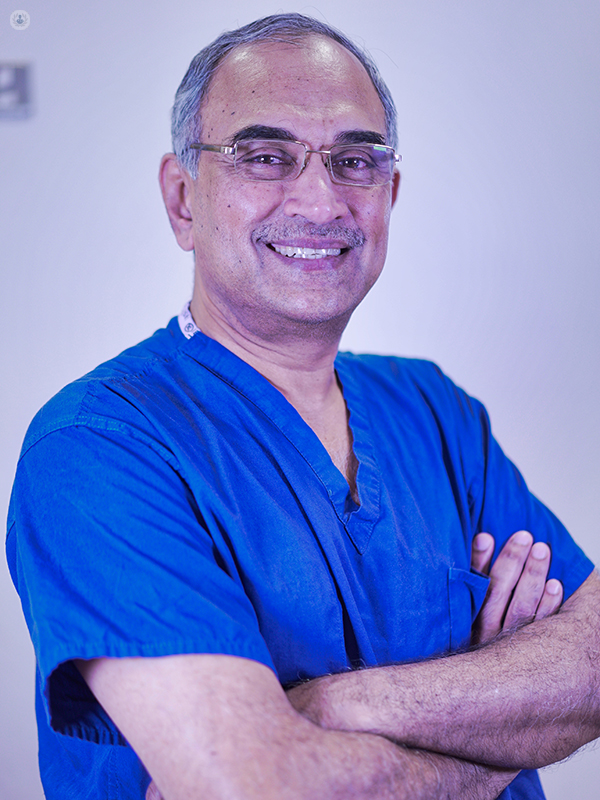
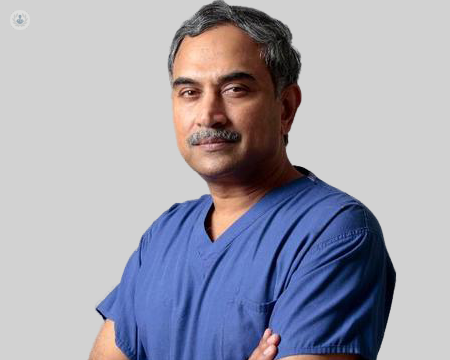
Breast implants are a popular cosmetic treatment, but do they last forever? Leading plastic surgeon Mr Venkat Ramakrishnan is here to explain and gives his recommendations for which implants to choose.
Read moreAs with any surgery, having breast implants has its pros and cons. There are complications patients may encounter. But can breast augmentation surgery make you sick? We asked experienced plastic surgeon Mr Venkat Ramakrishnan about the risks of breast implants.
Read moreBreast reconstruction is now a routine process following a mastectomy, but patients often want to know how long it will be before the process is complete and they can feel like their breasts are back to normal. We spoke to esteemed plastic surgeon Mr Venkat Ramakrishnan, who has an international reputation for microsurgical breast reconstruction.
Read more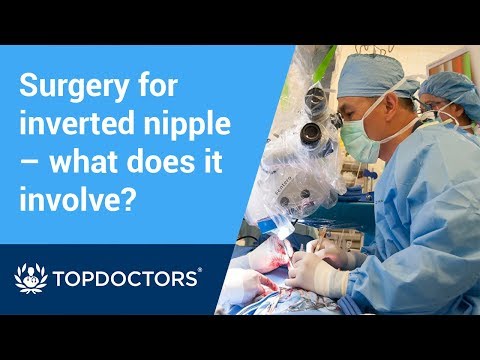 Surgery for inverted nipple – what does it involve?
What is a breast lift (mastopexy)?
Surgery for inverted nipple – what does it involve?
What is a breast lift (mastopexy)?